Writing a Get Well Card That Actually Matters
There is a moment, when someone we love is unwell, when we reach for a card. We know we want to say something — but the blank interior of that card can suddenly feel enormous. "Feel better soon" is the obvious fallback, and it's said with love, but so is almost every other card in that display rack.
The cards that stay on someone's nightstand for the whole of their recovery say something else. They say something specific. They reference the person, not just the situation. Here is how to write one that actually matters.
Why "Feel Better Soon" Falls Short
It isn't that the phrase is wrong. It's that it's weightless — it could have been written to anyone, by anyone, about anything. The person receiving it knows this. They feel the warmth behind it, but they don't feel seen by it.
A get well card has one real job: to make the recipient feel that someone, specifically, was thinking about them, specifically. That's a different task than wishing good health in the abstract.
- Name the moment: "I heard about your surgery." It grounds the note in reality.
- Say one specific thing: Something only you would say about this person.
- Offer a genuine wish: "I hope you find a pocket of real rest this week."
- Close with warmth: A simple "Thinking of you" matters more than you think.
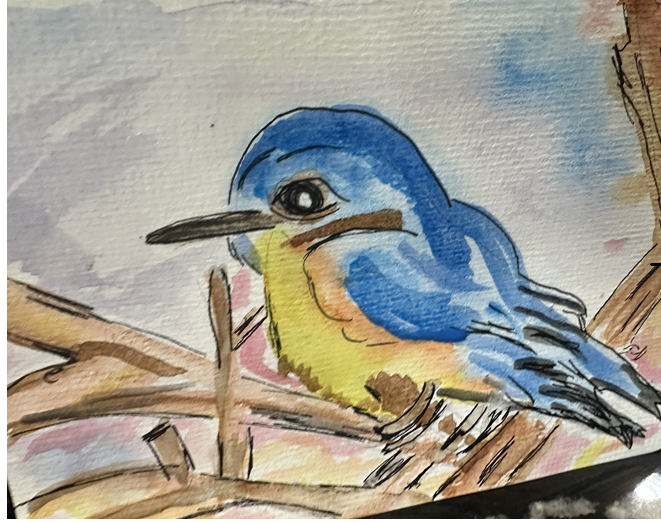
A personal note inside a Hummingbird Whispers get well card — the words matter as much as the art.
For When You Really Don't Know What to Say
Sometimes the relationship or the illness makes everything feel inadequate. A colleague you like but don't know well. A neighbor going through something serious.
In those cases, the shortest notes are often the most honest. Try: "I don't have the right words, but I wanted you to know I'm thinking of you." That sentence, in a hand-painted watercolor card, is worth more than a paragraph of borrowed sentiments.
Cards for Specific Situations
Short Procedure / Clear Recovery
Keep it light and forward-looking. "Can't wait to hear the funny hospital stories. Thinking of you today."
Long or Uncertain Recovery
Avoid timelines. "However long this takes, I'm here" is better than "hope you're back on your feet soon."
Chronic Illness / Ongoing Condition
Focus on presence: "Just wanted to send something warm. Thinking of you today, and on other days too."
Mental Health
Stay present with no pressure: "I see you. I'm here. No rush on anything."
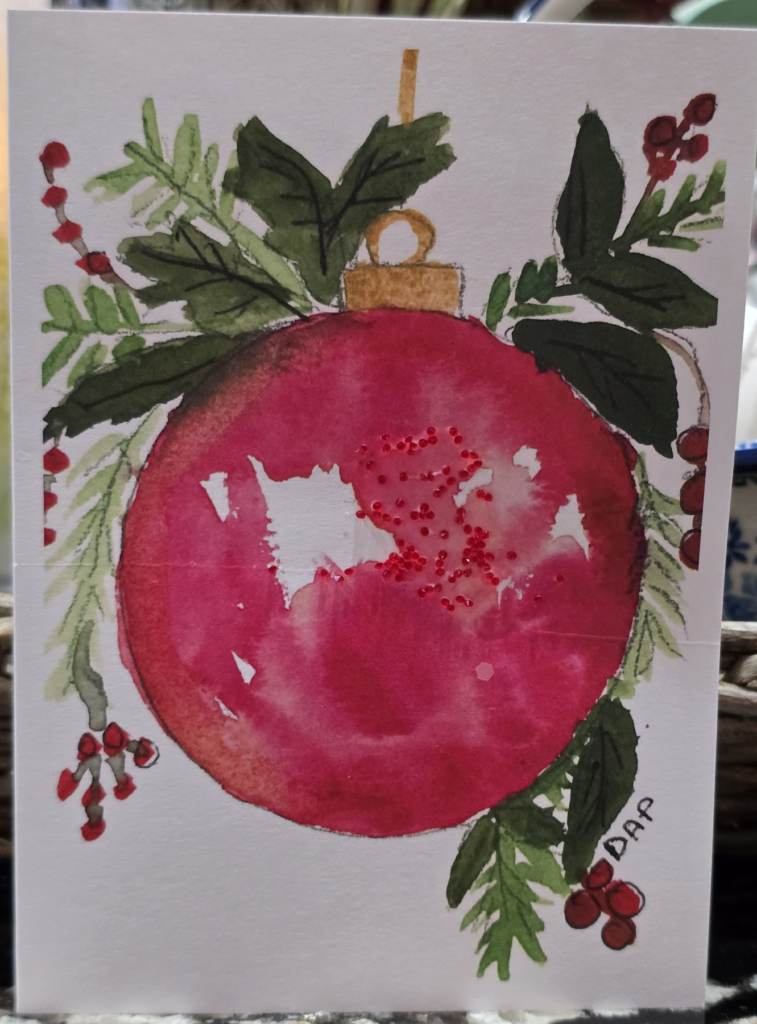
The Hummingbird card — with its soft watercolor wings and quiet, hopeful quality — is one of Debra's most-sent designs for exactly this occasion. There is something in the image of a hummingbird that communicates lightness and resilience without needing to say either word.
The Physical Act of Sending
In an era of texts and emoji reactions, the decision to find a card, address an envelope, and send it through the mail is itself a message. Before a single word is read, the recipient knows that someone chose to do something that took more than thirty seconds.
So if you're reading this with a card in your hand and a pen nearby: write something small, specific, and honest. Seal it. Send it. It will matter more than you think.