Pillar 2 – Watercolor Art & Process
- Pillar 2 — Debra's Art Studio
Behind the Brush: Debra’s Watercolor Process
Every Hummingbird Whispers card begins as an original painting. Here’s how a blank sheet of watercolor paper becomes something someone will treasure for years.
Why It Starts With a Painting
These aren't designed cards. They're painted ones.
Walk into any big-box store and you’ll find thousands of greeting cards. Nearly all of them are created digitally — illustrated on screens, never touched by a human hand before they’re printed.
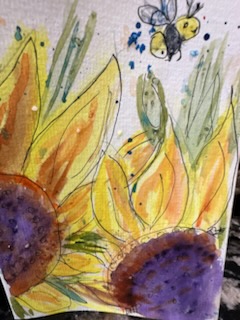
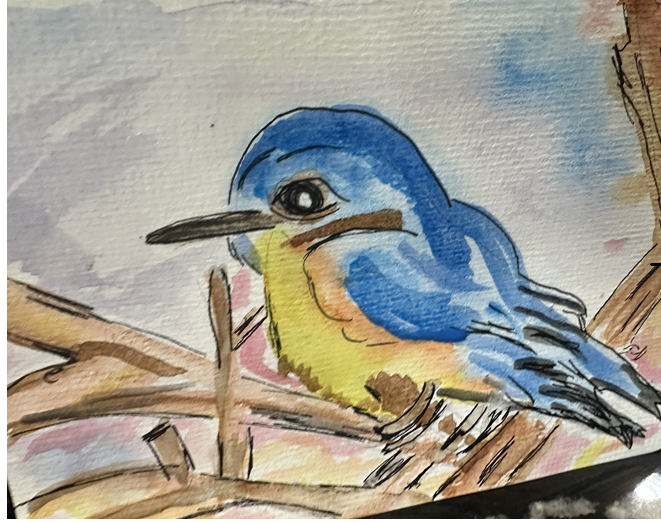
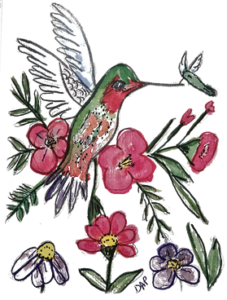
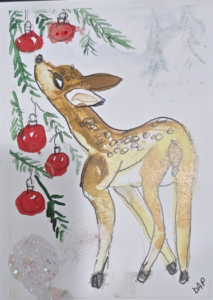
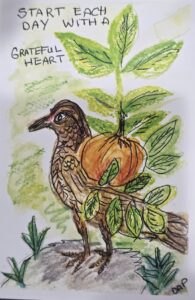
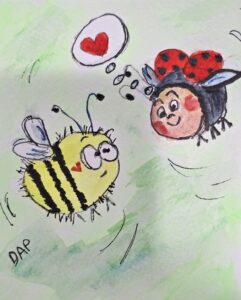
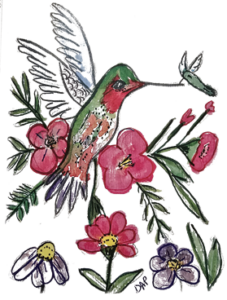
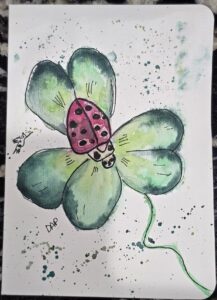
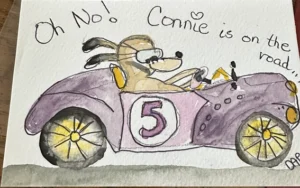
Hummingbird Whispers by Debra takes a different path. Every card in the collection begins as an original watercolor painting on Debra’s studio table. She paints the hummingbird. She paints the winter deer, the Easter bunny, the bee and the ladybug. Only after a painting is complete — when the watercolors have dried and the composition feels right — is it carefully reproduced as a greeting card.
The result is a card that carries something intangible but unmistakable: the warmth of a hand that made something for you. This page is the story of how that happens.
How It's Made
From Inspiration toYour Hands
Five stages, each one as intentional as the last.
Step 1
01
Finding the Inspiration
Every painting begins with observation. Debra draws from the world around her — the hummingbirds that visit her garden, the changing seasons, the animals that appear in quiet moments. She keeps a sketchbook nearby at all times, capturing the shapes and colors that catch her eye.
Nature is the primary source, but so is memory: the frost patterns on a childhood window, the way her grandchildren’s eyes light up at certain animals. Each design carries a personal reference, even when the subject is universal.
Step 2
02
The First Sketch
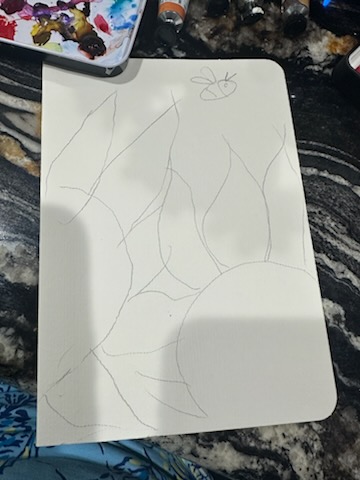
Before watercolor touches paper, Debra sketches the composition lightly in pencil. This stage is about balance: where does the subject sit? What’s the relationship between positive and negative space? How will the eye move through the image?
Watercolor is an unforgiving medium — there are no undo buttons. The pencil sketch is the plan that makes the spontaneity possible.
Nature is the primary source, but so is memory: the frost patterns on a childhood window, the way her grandchildren’s eyes light up at certain animals. Each design carries a personal reference, even when the subject is universal.
Step 3
03
Laying the Watercolor
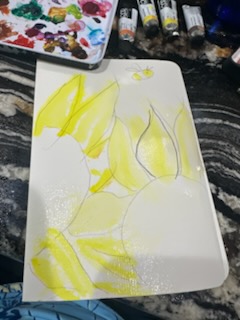
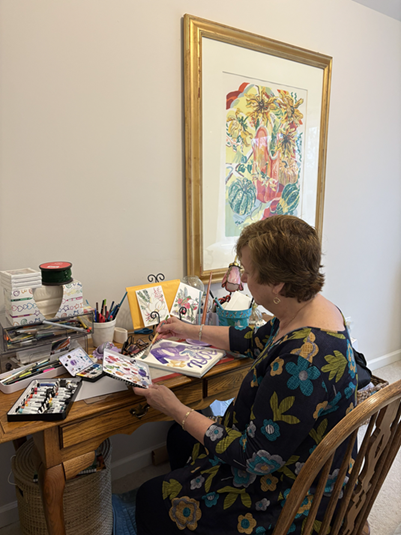
Watercolor works in layers. The first washes are the lightest and most transparent — they set the overall tone and mood of the piece. Debra works wet-on-wet for soft, blended backgrounds, then shifts to wet-on-dry for crisp details.
This layering is what gives watercolor its distinctive glow. Unlike opaque paints, watercolor allows light to pass through the pigment and reflect off the white paper beneath — creating a luminosity that can’t be replicated digitally.
Step 4
04
Adding Detail and Depth
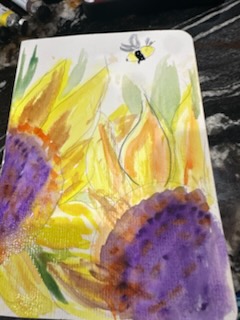
Once the initial layers dry, the fine work begins. Debra adds the details that bring a painting to life: the iridescent throat of the hummingbird, the texture of deer fur, the delicate veining of a poinsettia leaf. Each detail requires patience — watercolor dries lighter than it appears wet, so every layer is a judgment call.
This stage can take as long as all the others combined. It’s where the painting either sings or stays ordinary.
Step 5
05
From Painting to Card
When a painting is complete, it’s carefully digitized at high resolution to capture every nuance of color, texture, and brushwork. The reproduction process is chosen specifically to preserve the soft edges and luminous quality that watercolor creates.
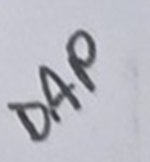
Each card is printed on premium matte stock and paired with a coordinating envelope. The result looks and feels nothing like a mass-produced card — because it isn’t one. Look for the DAP signature, Debra’s personal mark on every design.
- The Tools of the Studio
What Goes Into Every Painting
📄
Watercolor Paper
Cold-press paper with a visible tooth that holds pigment without letting it spread uncontrollably. The weight and texture of the paper determines how the washes behave.
🎨
Professional Pigments
Artist-grade watercolors with high pigment density and excellent lightfastness. The colors stay vibrant in reproduction because they’re vibrant in the original.
🖌
Natural Fiber Brushes
A range of brush sizes — from broad wash brushes to fine liners. The right brush holds the right amount of water and releases it predictably, making controlled marks possible.
A Special Message
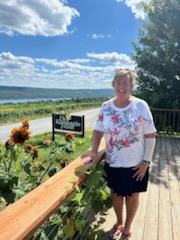
“Art has always been part of who I am. Growing up, my parents instilled in me a deep appreciation for the art world — its beauty, its stories, and its ability to connect people across time and place.”
— Debra
Artist, Educator & Founder of Hummingbird Whispers
The Collection
Original Watercolors, Reproduced to Last
Each design is a complete original painting before it becomes a card.
- The Mark of Authenticity
Look for the DAP Signature
Every Hummingbird Whispers card carries Debra’s initials — DAP — as a mark of authenticity and personal pride. When you see the DAP signature, you know the design originated from Debra’s own brush, not a stock image library or freelance contractor.
It’s a small detail with a large meaning: this card was made by a specific person, with specific intention, for you to give to someone specific.
- From the Studio Blog
More About the Art
- Debra's Art Studio
How I Paint the Hummingbird — My Most Requested Design
A detailed look at the techniques behind Debra’s signature design.
- Debra's Art Studio
Watercolor vs. Printed Cards: Why the Difference Matters
What separates an artist-originated card from everything else on the shelf.
- Debra's Art Studio
From Classroom to Canvas: My Journey as an Artist-Educator
How decades in education shaped Debra’s approach to creating art that connects.
Own a Piece of Original Watercolor Art
Every card is a painting, and every painting is made to be shared. Browse the full collection.
ACTION ITEMS:
Title: “Behind the Brush: Debra’s Watercolor Process”
URL: /watercolor-art-process
Length: 1,000–1,200 words. Covers: Debra’s technique, how a card goes from sketch to finished product, the tools and paints she uses, what makes watercolor unique for greeting cards. Links to cluster posts and About page.