The calendar is one of the most reliable prompts for human connection. Seasons change, holidays arrive, and with them comes a natural impulse to reach out — to mark the moment with someone you care about, to say "I'm still here, still thinking of you, still part of your life."
But the calendar also creates a kind of noise. Every occasion comes with a commercial apparatus designed to make every card feel like every other card. Christmas cards that look like Christmas ads. Valentine's cards that feel like obligations. Easter cards that say nothing particular to anyone.
This guide is different. It's a month-by-month companion to the year, focused not on what the holiday industry says you should send — but on what would actually mean something to the people in your life. With cards from Debra's original watercolor collection as the starting point, here's how to use the turning of the year to stay genuinely connected.
Every season is an invitation. The question is whether you take it — and what you say when you do.
Winter — January Through March
After the busy crescendo of December, January and February are the overlooked months — when people most need connection and are least likely to receive it. This is an excellent time to send cards that have nothing to do with an obligation and everything to do with a genuine impulse.
January — New Year gratitude notes
Instead of a formal New Year card, consider sending a short gratitude note to someone who mattered to you in the year past. "I keep thinking about [specific thing they did or said]. I wanted to say thank you before the year got away from me." The first week of January is also when people most appreciate being remembered — the holiday rush is over and the inbox is quieter. A Thinking of You card works perfectly here.
February — Valentine's Day beyond the romantic cliché
Valentine's Day is underused as a day for non-romantic expressions of love. A card sent to a close friend, a parent, a sibling, or a colleague you genuinely appreciate — this is exactly the kind of Valentine's Day card that gets remembered. The Bee & Ladybug design — two distinct creatures, drawn together — works for any relationship worth celebrating. The Horse card is equally warm and less expected.
March — St. Patrick's Day, a lighthearted reach
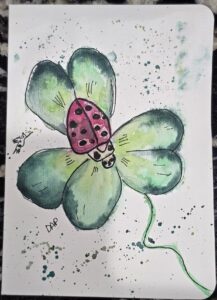
This is one of the most underused card occasions of the year — which is exactly what makes it effective. Receiving a card on St. Patrick's Day tells someone that you thought of them on a day when no one expects to receive anything. The Lucky Ladybug Clover card is Debra's design for this occasion — playful, hand-painted, and the kind of surprise that arrives when someone needed cheering up without knowing it.
Spring — April Through June
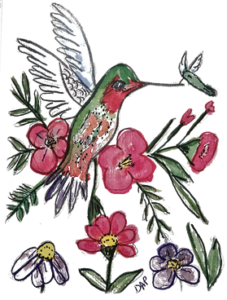
Spring is packed with occasions — Easter, Mother's Day, graduations, anniversaries — and it's also the season of the Hummingbird, Debra's most iconic design and the one most associated with renewal, lightness, and hope.
April — Easter, gentle and personal
Easter cards work best when they capture the spirit of spring renewal rather than the commercial version of the holiday. Debra's Easter Bunny designs — soft watercolor, warmly painted — feel genuinely handmade in a way that mass-produced Easter cards rarely do. Send one to children in your life with a short note inside: "Spring is here. I'm thinking of you."
May — Mother's Day, the card that does the work
Mother's Day is one of the most important card occasions of the year — and one of the easiest to get wrong. The best Mother's Day cards are specific. Not "Happy Mother's Day" in isolation, but a note that references this mother, this relationship, this particular thing she did or said or was. The Pretty Pink Poodle card, the Bee & Ladybug, and the Puppy Dog Bee are all popular choices. Write something true inside — one sentence about what she means, specifically, is worth more than three paragraphs of borrowed sentiment.
May through June — graduations and life transitions
A card sent to mark a graduation, a new job, a move, or any other major life transition is a card sent at exactly the right moment. The person is about to begin something new and probably a little overwhelmed. A card that says "I see what you just did, and I'm proud of you, and I'm here as you start the next thing" is the most useful thing they'll receive. Use a Hummingbird card — the image of flight is appropriate here in a way that requires no explanation.
Summer — July Through September
Summer is the quietest season for card-sending — which makes it the best season for sending one. The expectations are lower. The competition from other cards is minimal. A card that arrives in August says, with undeniable clarity: you were on my mind when there was nothing on the calendar requiring it.
July and August — the mid-summer check-in
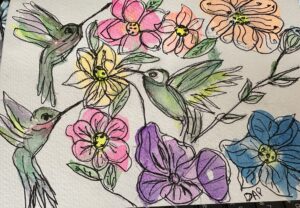
Think of three people you haven't been in contact with recently. Send each of them a card — no occasion, no explanation, just "I was thinking of you and wanted to say so." The Animals collection works beautifully here: a Hummingbird card, a Grateful Bird, a playful cat or puppy design. Light enough for summer, personal enough to matter.
September — back to school
September is an underused card occasion with enormous emotional resonance. A card sent to a child starting a new school year — addressed to them directly, short and encouraging — is something many children will remember. A card sent to a parent navigating the emotion of watching their child grow up is equally meaningful. Both benefit from warm, simple imagery and a few honest sentences.
Autumn and Winter — October Through December
The final quarter of the year is the richest season for card-sending — and the easiest one to get lost in the commercial noise. The antidote is always the same: specificity, intention, and the decision to send something made by a real person for real people.
October — get ahead of the Christmas rush
October is the ideal time to order cards for the season ahead and begin writing them. The people who receive Christmas cards in the first week of December — before the deluge — remember them. Order Debra's Christmas designs in October. Write them in November. Mail them in the first days of December.
November — Thanksgiving, the most underused card holiday
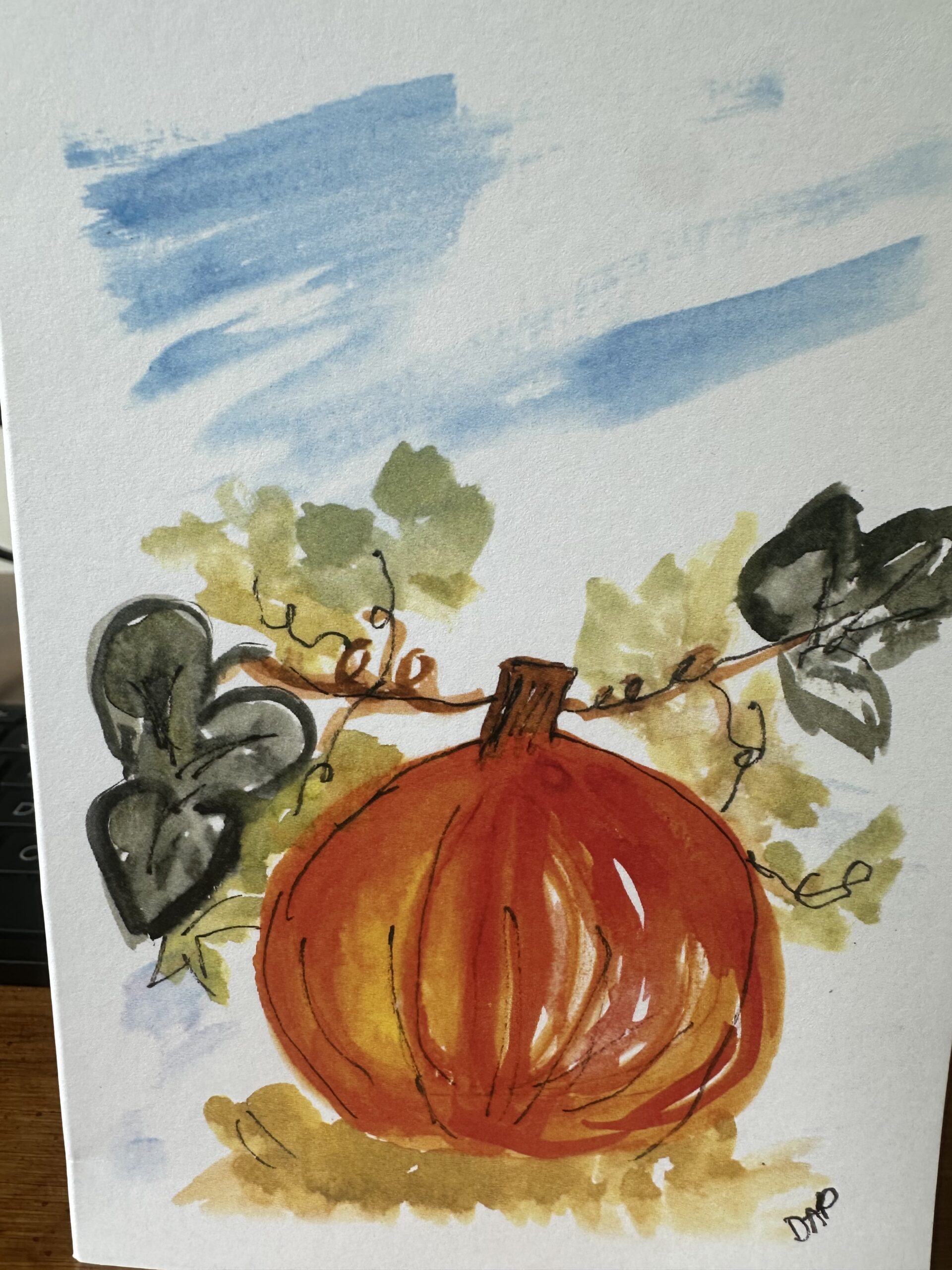
Thanksgiving is the most natural card-sending occasion of the year and the least used. The entire cultural premise of the holiday is gratitude — and yet almost no one sends a card for it. A Thanksgiving card sent to someone you are genuinely grateful for, with one honest sentence about why, is one of the most impactful things you can do with a stamp. Debra's Grateful Bird design — a warm, hand-painted turkey in a style only Debra would paint — is made for exactly this.
December — Christmas, make it personal
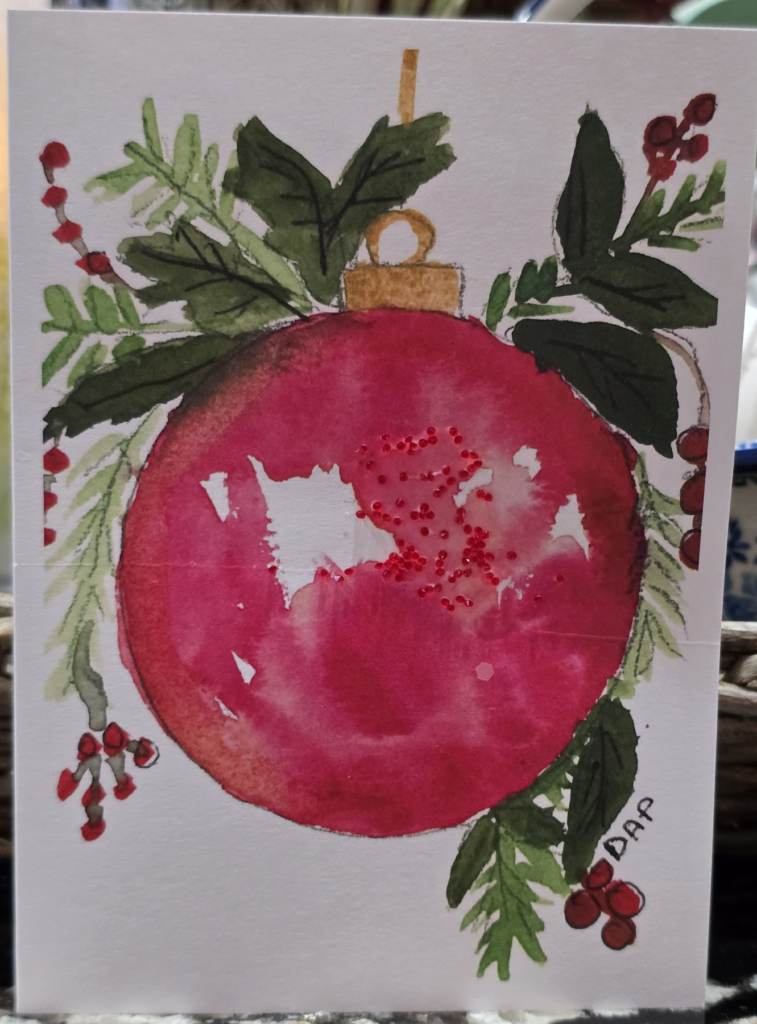
Christmas cards are the one occasion where volume can work against you. A single card with something genuine written inside means more than twenty cards that say only "Happy Holidays, [Name]." Choose a design that reflects something — the White Poinsettia for elegance, the Candy Cane Kitty for playfulness, the Ornament card for warmth. Then write one true thing about the year past, this person, or what you're hoping for ahead. That's enough. More than enough.
The Cards That Work Any Time of Year
Some designs aren't tied to a season — they're made for the moments that arrive without warning. The Hummingbird card for get well, graduation, or any moment of quiet hope. The Animals collection for the animal lover who needs to be remembered. The Bee and Ladybug for any relationship worth celebrating. These are the cards to keep at home, ready for the moment someone comes to mind.
A small stock of cards on a shelf — near your desk or in a kitchen drawer — is the single most effective change you can make to how connected you stay with the people who matter. The impulse arrives. The card is there. You write something true and mail it the same day.
That's the whole practice. And it's the most personal thing you can do — in any season. Browse the full Hummingbird Whispers collection, explore the complete guide to meaningful card-sending, or read about the giving mission behind every purchase.
WRITTEN BY
Debra
- Artist, educator, and founder of Hummingbird Whispers. Debra paints original watercolor cards as acts of intention, each one made to be shared.
Greeting Card Ideas
Guides for every occasion
Debra's Art Studio
Behind the watercolor process.
Gratitude & Giving
Why every card gives back
ORIGINAL WATERCOLOR CARDS” — 10px, Jost 500, uppercase, letter-spacing 3px, color #d4b483
Send something that carries meaning.
Hand-painted by Debra. 10% of every purchase supports mindfulness & gratitude initiatives.