Gratitude is having a moment in popular culture — wellness apps prompt you to log it, productivity systems schedule it, social media performs it. But beneath the noise of the gratitude industrial complex, there is genuine and growing research on what expressing thankfulness actually does to the people involved. And the findings are consistently more interesting than the self-help versions suggest.
This post is about what the science of gratitude actually shows — and about why a handwritten card, specifically, turns out to be one of the most effective vehicles for it.
What Happens in the Brain When You Express Gratitude
Studies using neuroimaging have found that expressing gratitude activates regions of the brain associated with reward, social bonding, and positive emotion. This is not surprising in principle — what is surprising is how persistent the effect is. Unlike many emotional responses, which fade quickly after the triggering event, the neural effects of expressing and receiving gratitude have been shown to linger for days.
A landmark study at the University of California found that people who wrote letters of gratitude — not necessarily sent, simply written — showed measurably higher levels of wellbeing than control groups for up to three months after the exercise. The act of formulating gratitude in writing, of putting specific words to a specific feeling about a specific person, was itself the intervention. The sending was secondary.
For the receiver, the effects are equally robust. Research published in Psychological Science found that recipients of gratitude notes consistently rated the experience as more meaningful than the sender had predicted — and that the sender had consistently underestimated how awkward it would feel to send. In other words: both people benefit more than either expects, and the barrier to doing it is lower than it appears.
Why Writing It Down Is Different from Saying It
The research draws a meaningful distinction between verbal expressions of gratitude and written ones. Both produce positive effects. But written expressions — letters, notes, cards — produce stronger and more durable outcomes for several reasons.
- It requires specificity. Writing forces you to articulate exactly what you are grateful for. Vague feelings become concrete sentences. That specificity is itself therapeutic for the writer and more meaningful for the reader.
- It can be reread. A spoken thank-you lives only in the moment of its delivery. A written note can be returned to. People who receive meaningful written expressions of gratitude report rereading them during difficult periods — sometimes years later.
- It proves effort. The time required to write something down — to choose words, to structure them, to commit them to paper — signals to both parties that the gratitude was serious. Effort is itself a form of expression.
- It is permanent. The written note remains in the world after the moment of giving. It occupies physical space. It does not fade from memory in the way that spoken words do.
The Particular Power of a Physical Card
Within the category of written gratitude, physical cards have properties that emails and text messages don't. Research on the psychology of physical mail consistently shows stronger emotional responses to physical objects than to digital messages — even when the content is identical.
The reasons for this are partly sensory (the texture of paper, the evidence of handwriting, the object in your hands) and partly cultural (the understanding that sending physical mail required deliberate effort that digital messages do not). Together, they produce what researchers call the "sincerity signal" — the receiver's sense that the expression of gratitude was genuine precisely because it cost something to send.
The gratitude card as a two-sided intervention
When you send a handwritten gratitude card, you are not just doing something kind for the recipient. You are also doing something measurably beneficial for yourself. The act of writing the note — of identifying what you are grateful for, translating it into specific language, and committing it to paper — produces neurological and psychological benefits that begin before the card is even mailed. The research is consistent on this point: writing gratitude is good for the writer, not only the reader.
What This Means in Practice
The science of gratitude, applied practically, points to one simple conclusion: expressing it specifically, in writing, to a real person, on a regular basis, produces measurable improvements in wellbeing — for you and for the people in your life. Most of us know this intuitively. Very few of us act on it with any consistency.
The gap between knowing and doing is usually a friction problem. We don't have a card. We don't have a stamp. We don't know what to say. The impulse arrives and fades before anything is sent.
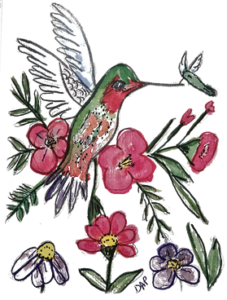
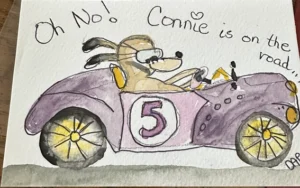
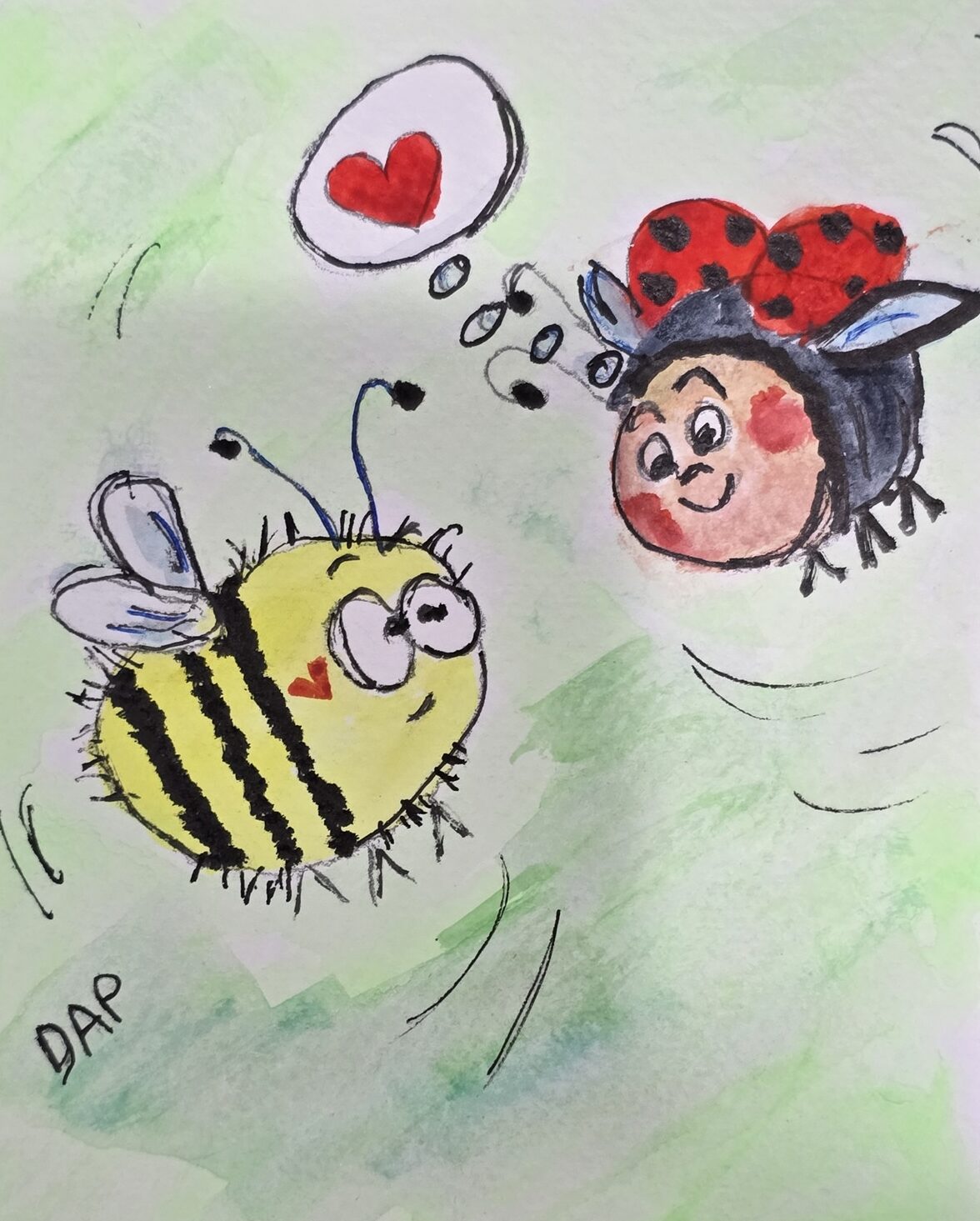
Debra's watercolor card collection is designed, in part, to reduce that friction. A stock of a few cards at home — a Hummingbird card, a seasonal design, a blank animal card — means that when the impulse to express gratitude arrives, the vehicle is already there. You write a few honest sentences. You mail it. The research suggests the effects — for both of you — will last longer than you expect.
To read more about the giving mission behind every Hummingbird Whispers purchase, visit Cards That Give Back. For a practical guide to what to write and when to send it, see the complete guide to meaningful card-giving. And for more on why the physical act of sending a card matters as much as the message inside, read Why Sending a Physical Card Is Still the Most Personal Thing You Can Do.
WRITTEN BY
Debra
- Artist, educator, and founder of Hummingbird Whispers. Debra paints original watercolor cards as acts of intention, each one made to be shared.
Greeting Card Ideas
Guides for every occasion
Debra's Art Studio
Behind the watercolor process.
Gratitude & Giving
Why every card gives back
ORIGINAL WATERCOLOR CARDS” — 10px, Jost 500, uppercase, letter-spacing 3px, color #d4b483
Send something that carries meaning.
Hand-painted by Debra. 10% of every purchase supports mindfulness & gratitude initiatives.